As an Amazon Associate I earn from qualifying purchases. Learn more
Why Carpeted Pet Stairs for Bed Access Are a Game Changer for Senior Dogs
Last updated
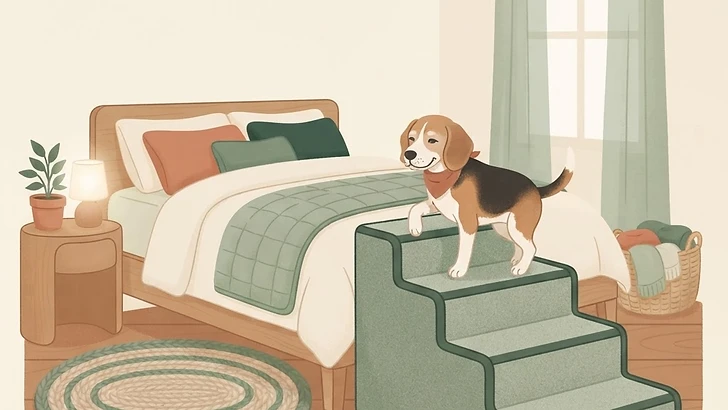
The short answer
Carpeted pet stairs for bed access are designed for small to medium senior dogs struggling with jumping. They offer a stable, gentle, and grippy surface that allows dogs to climb onto elevated furniture comfortably. By minimizing the impact of leaping, these stairs help maintain your pet's confidence and physical ease at home.

Carpeted pet stairs for beds
Why we like it: These carpeted steps give senior pups the confident grip and gentle incline they need to safely climb onto the bed without jarring sensitive hips and joints.
- Bed access
- Small to medium dogs
- Joint stiffness
- Carpeted grip
Why do senior dogs struggle with getting onto the bed?
As our beloved companions enter their golden years, the simple act of hopping onto a bed can become a major hurdle. Many senior dogs experience joint stiffness, which makes jumping both uncomfortable and physically demanding. When your pup hesitates before making that familiar leap, it is often a sign that their body is asking for a bit of extra help. Using carpeted pet stairs for bed access can bridge this gap, allowing your dog to reach your side without the jarring impact associated with leaping. Getting your senior dog the help they need starts with understanding their daily environment. You might consider taking our Find what your senior dog needs quiz to better identify areas where your pup could use some extra assistance throughout the home.
The impact of repetitive jumping on hardwood or tile floors can be particularly hard on fragile joints. When a dog jumps down from an elevated surface, they exert significant pressure on their front legs and shoulders. Over time, this daily wear and tear can lead to decreased mobility. Veterinary professionals often suggest using supportive tools to help mitigate the strain associated with these movements. Dog stairs or ramps are excellent solutions to reduce the physical stress on your dog's frame. By providing an alternative route, you are actively choosing to support their comfort and long term well being, keeping their spirits high as they navigate their favorite sleeping spots.
How do carpeted stairs improve safety and what should you look for in a design?
Carpeted pet stairs function by breaking down a large, intimidating jump into smaller, manageable increments. When I tried this with my dog, I quickly realized that the texture of the surface is just as important as the height of the steps. The carpet covering provides a confident grip that prevents paws from sliding during the climb. When looking for the right model, you must measure your bed height accurately to ensure the top step lands level or just beneath the mattress edge, creating a smooth transition for your pup. Having a steady path makes a world of difference for dogs who are feeling a bit unsteady or less agile than they once were.
Beyond just the incline, you need to pay close attention to the construction of the stairs themselves. Inspect the step depth and height to ensure treads are deep enough for your dog to stand on with their full stance, rather than feeling cramped or precarious. You should also inspect the carpet surface texture to confirm claws get adequate traction without snagging. Stability is another non negotiable feature. Verify the base stability and underside non-slip pads to keep stairs from sliding on smooth floors. If the base shifts under weight, it can cause more anxiety than the jump itself. Always confirm whether the carpet cover is removable or spot clean only, as easy maintenance is essential for a busy home with a senior dog.
Pros
- Provides a consistent, high traction grip that helps prevent slipping.
- Offers a gentle, low impact incline for dogs with sensitive joints.
- Reduces the daily physical strain caused by leaping onto high furniture.
- Boosts independence by allowing your dog to join you on the bed safely.
- Simple, intuitive design that most senior dogs learn to navigate very quickly.
Cons
- Can take up a significant amount of floor space in smaller bedrooms.
- Some models might require regular vacuuming or cleaning to manage pet hair.
- Not ideal for very large breeds that may require more robust, heavy duty supports.
- Lower quality models may shift on slippery floors if they lack high friction pads.
- Stair height must be matched exactly to your furniture to be truly effective.
It is worth noting that while these stairs are excellent for many, they are not a one size fits all solution. If you have a very large dog, you might find that the standard stair dimensions are not stable or deep enough for their larger frame. Furthermore, if you are struggling with Slippery floors in other parts of the room, you might find that the stairs alone do not solve the broader issue of your dog maintaining their footing near the bed area. Always observe how your dog reacts to the new addition before committing to a permanent spot in the bedroom, as nervous climbers may need a little extra encouragement and patience during the initial adjustment phase.
Who should use these stairs and who might want a different solution?
Carpeted pet stairs are best for small to medium sized dogs who still have decent mobility but simply need a helping hand with height. If your dog is struggling with Stairs and getting up, these can be a lifesaver, allowing them to remain part of your nighttime routine. As mentioned by the American Kennel Club, choosing stairs with deep steps and anti skid surfaces is a proactive way to make your home more accessible. This setup is perfect for dogs who enjoy being close to their owners but lack the spring they once had to make the jump comfortably. It is all about preserving their dignity and allowing them to age in place with as much ease as possible.
However, skip these if your dog has severe mobility loss where they cannot place weight on their hind legs at all. In those cases, a ramp or physical lifting support may be more appropriate for their needs. Similarly, dogs with extreme anxiety around moving objects might find stairs intimidating. For these pups, prioritize a ground level setup or look for other ways to bring comfort to their level. As noted in guidance on caring for senior dogs, mobility aids are meant to complement your support, not replace your attention. If you are unsure about your dog's physical needs, a chat with your local veterinarian is always the best first step to ensure you are selecting the right tools for your specific situation.
How to properly set up your pet stairs for maximum safety
Setting up your carpeted stairs correctly is the secret to getting your senior dog to actually use them. Follow these steps to ensure a smooth transition. First, measure your bed height to ensure the top step lines up perfectly with the mattress. Next, place the stairs against the bed and verify that the non slip base is securely gripping your flooring. If you have carpet, the base may be naturally stable, but on tile or hardwood, double check those rubber pads. Encourage your dog to explore the stairs by placing a favorite treat on the second step. Let them climb at their own pace, offering lots of positive reinforcement. Never force them to use the stairs if they seem nervous. Keep the area around the stairs clear of clutter, such as laundry baskets or shoes, which could cause a trip hazard. If your dog is having trouble, try guiding them gently with a leash until they gain the confidence to climb on their own accord. Consistent practice over a few days usually does the trick.
What are some other ways to support your senior dog's comfort?
Beyond stairs, there are several ways to support your aging companion. For dogs who need extra Joint comfort and rest, consider an Elevated orthopedic cot bed to provide firm support. If your dog sleeps on the floor, a Bolstered donut bed for joint support offers great head and neck rest. Traction is also a major concern for many of us. Using Anti-slip traction paw wax can help your dog maintain their footing on hard surfaces without the need for additional gear. For dogs who dislike wearing boots, Grip toe caps for dog nails offer an invisible solution to improve traction on tile or hardwood floors. Sometimes, simple changes to the environment are just as effective as specialized equipment. Keeping your dog comfortable is a holistic process that involves looking at their entire day, from how they move through the house to how they rest at night. Whether it is adding a ramp, switching to an orthopedic bed, or using traction aids, every adjustment you make contributes to a higher quality of life for your senior dog. By observing their needs and responding with care, you are giving them the best years possible.
Frequently asked questions
Will my senior dog learn to use the stairs easily?
Most senior dogs adapt to pet stairs within a few days. Using positive reinforcement, such as treats or praise, when they reach the top helps build their confidence. Be patient and give them time to get used to the new incline and surface, as some dogs may be hesitant at first.
How do I know if these stairs are safe for my dog's joints?
Carpeted stairs reduce the impact of jumping by breaking the distance into smaller, easier steps. This helps prevent the harsh jarring that occurs when a dog leaps onto a high bed. Always ensure the stairs are stable and do not slide, as a steady surface is key to joint safety.
Can these stairs be used on hardwood or tile floors?
Yes, but stability is critical. Ensure the pet stairs you choose have high-quality non-slip pads on the underside. If the stairs still slide, you might consider placing a rug or yoga mat underneath them to provide extra friction and keep the structure firmly in place.
How do I maintain the carpet surface on the stairs?
Regular maintenance depends on the specific model. Check the manufacturer's instructions to see if the carpet cover is removable for washing or if it is designed for spot cleaning. Keeping the stairs free of hair and debris helps ensure the carpet provides the best possible traction for your dog.

Carpeted pet stairs for beds
Why we like it: These carpeted steps give senior pups the confident grip and gentle incline they need to safely climb onto the bed without jarring sensitive hips and joints.
- Bed access
- Small to medium dogs
- Joint stiffness
- Carpeted grip
Sources
- Dog Stairs vs. Ramps: Choosing the Right Option for Your Dog · American Kennel Club
- 6 Ways to Care for Your Senior Dog - American Kennel Club · American Kennel Club
Get gentle, practical tips for your senior dog
One thoughtful email now and then. No spam, unsubscribe anytime.
Related guides


Product guide
Why a Portable Folding Dog Ramp for SUV Travel Is a Game Changer
Is your senior pup struggling to hop into the car? A portable folding dog ramp for SUV travel offers a safer, gentler way to get your best friend on the road.
Read the guide

Product guide
Why You Need a Dog Safety Gate for Stairs
A dog safety gate for stairs is a practical way to prevent falls and nighttime wandering for aging pets. Learn how this simple tool helps your senior dog stay secure at home.
Read the guide

Product guide
Is a Dog Bed Bumper Rail the Right Support for Your Senior Dog?
Struggling to help your senior dog stay comfortable at night? A dog bed bumper rail provides a soft, secure boundary for a restful, worry-free sleep.
Read the guideNot sure where to start?
Answer 5 quick questions and get a starter setup matched to your dog, your floors and your home.